Occupational hygiene in workplace safety: what it is and how to manage it effectively

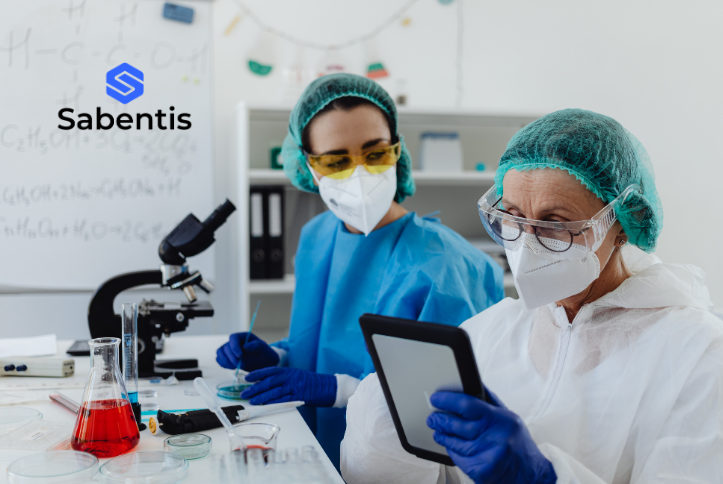
In many organizations, occupational hygiene is still associated only with order and cleanliness. However, its scope goes much further.
Occupational hygiene in workplace safety focuses on identifying, assessing, and controlling physical, chemical, and biological agents that may affect workers’ health. It is a fundamental part of occupational risk prevention and a key element in reducing exposure to risks that are often not visible.
Understanding what occupational hygiene really involves—and how to manage it effectively—is essential for building safer work environments.
What is occupational hygiene?
Occupational hygiene is the preventive discipline responsible for anticipating, recognizing, assessing, and controlling environmental factors that may cause occupational diseases or affect workers’ health. It works hand in hand with applying industrial hygiene safety regulations effectively.
Unlike more visible risks, hygienic risks are often related to long-term exposure.
The main types of agents include:
- Physical agents, such as noise, vibration, temperature, or lighting
- Chemical agents, such as vapors, gases, dust, or hazardous substances
- Biological agents, such as bacteria, viruses, or microorganisms
The goal is not only compliance, but real exposure control and long-term health protection.
Why is occupational hygiene critical for prevention?
Many hygienic risks do not produce immediate harm. This often leads to underestimation or insufficient management.
However, their impact can be significant:
- occupational diseases
- progressive health deterioration
- reduced work performance
- increased absenteeism
- legal and reputational risks for the organization
Effective occupational hygiene allows companies to act before these risks become visible problems.
How to manage occupational hygiene effectively
Managing occupational hygiene requires a structured and continuous cycle:
identification, assessment, control, and monitoring.
Risk identification
The first step is identifying which agents are present in the workplace. This often means identifying chemical hazards at work and other harmful agents.
This involves analyzing processes, materials, equipment, and environmental conditions.
Exposure assessment
Once risks are identified, exposure levels must be evaluated through:
- hygiene measurements
- concentration analysis
- comparison with exposure limits
- specific technical studies
This phase determines whether intervention is required.
Risk control
The next step is reducing or eliminating exposure through measures such as:
- substitution of hazardous substances
- improved ventilation systems
- use of personal protective equipment (PPE)
- process or workflow changes
- exposure time control
Whenever possible, risks should be controlled at the source.
Monitoring and continuous improvement
Management does not end with implementation. Organizations must: Ongoing control also relies on proper hazardous substance management.
- verify effectiveness of measures
- update assessments
- track changes in processes
- maintain traceability
This is where many organizations fail—not in identifying risks, but in maintaining control over time.
The problem: when occupational hygiene remains on paper
In many companies, occupational hygiene is documented but not truly managed.
Common situations include:
- outdated evaluations
- unreviewed measurements
- actions without follow-up
- scattered information across Excel files, emails, or documents
When this happens, prevention loses effectiveness and exposure remains.
The importance of structured prevention management
For occupational hygiene to be effective, information, actions, and responsibilities must be clearly structured.
This includes:
- centralizing evaluations and measurements
- assigning responsibilities
- tracking corrective actions
- ensuring traceability
- facilitating access to information
Many organizations are now addressing this through an
SST Platform that integrates all processes into a single environment.
How an SST platform improves occupational hygiene management
An SST Platform enables a shift from document-based management to operational management. That shift is powered by dedicated occupational risk prevention software.
It allows organizations to:
- centralize hygiene evaluations
- track measurements and results
- monitor corrective actions
- manage responsibilities and deadlines
- analyze data to detect risk patterns
Solutions like Sabentis integrate these capabilities, helping organizations improve traceability, efficiency, and decision-making.
Occupational hygiene as part of modern prevention
Occupational hygiene remains a core pillar of workplace safety, but its management must evolve alongside modern work environments.
Today, it is not enough to measure and document. Organizations must manage, analyze, and act.
Because many of the most critical risks are not the most visible—but those that accumulate over time.
Want to improve occupational hygiene management in your organization?
👉 Request a demo here:
https://www.sabentis.com/solicita-una-demo/
FAQ